
Transform Your Week With Smart Meal Prep
Discover how thoughtful meal preparation can elevate your daily wellness, boost your energy, and help you maintain balance throughout the week.
Why Meal Prep Matters for Your Wellness
Strategic meal preparation is more than convenience—it's a cornerstone of sustained health, balanced nutrition, and mindful living. Our editorial team explores the science and practice of effective meal planning.
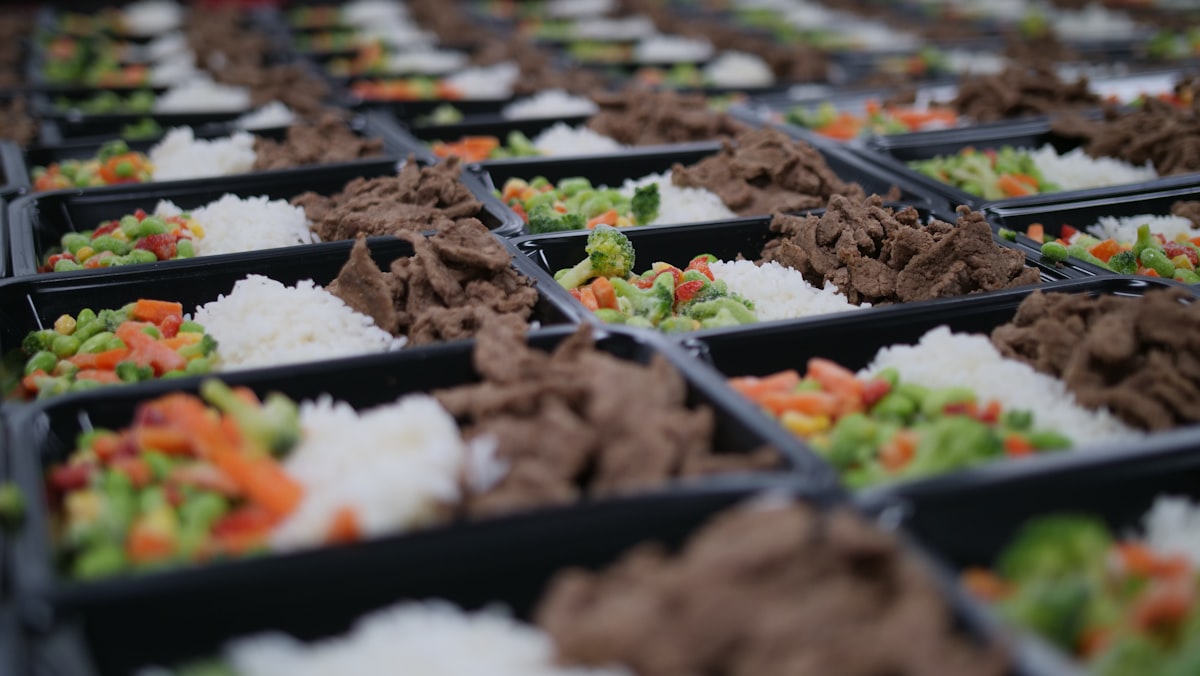
Consistent Nutrition
Planned meals ensure you receive balanced macronutrients and essential micronutrients throughout the week, supporting stable energy and metabolic function.
Time Efficiency
Dedicate focused time to preparation and eliminate daily decision-making about meals. This approach reduces stress and frees mental energy for other priorities.
Intentional Choices
When you prepare food in advance, you make deliberate ingredient selections aligned with your wellness goals, rather than reactive choices driven by hunger or convenience.
Resource Mindfulness
Strategic planning reduces food waste, optimises shopping efficiency, and supports more conscious consumption patterns aligned with environmental stewardship.
Your 5-Step Prep Journey
Learn the foundational framework that transforms meal preparation from overwhelming to manageable and enjoyable.
Plan Your Week
Assess your schedule, identify meal occasions, and choose recipes aligned with your nutritional priorities. Consider seasonal ingredients and storage capacity.
Build Your List
Consolidate all ingredients from your selected recipes into a single shopping list, organised by store layout. Verify what you already have at home to avoid duplication.
Shop Thoughtfully
Purchase quality ingredients while being mindful of budget. Focus on whole foods—fresh produce, lean proteins, whole grains, and healthy fats form the foundation.
Prepare & Cook
Dedicate several hours to washing, chopping, and cooking base components. Use batch-cooking techniques to maximise efficiency and create versatile building blocks for meals.
Store & Enjoy
Use appropriate containers for different shelf lives. Label everything with dates. Throughout the week, combine prepped components into fresh, varied meals that stay interesting.
Reflect & Adjust
After each week, note what worked well and what you'd change. This continuous feedback loop refines your process and ensures meal prep remains aligned with your actual preferences.
Popular Prep Templates
Explore evidence-based meal preparation frameworks used by nutrition professionals and wellness practitioners across the UK.
Plant-Forward Template
Emphasises whole plant foods with adequate protein from legumes, tofu, and nuts. Ideal for those exploring plant-based nutrition or seeking greater vegetable diversity.
- 3 grain bases (quinoa, brown rice, farro)
- 2 legume proteins (lentils, chickpeas)
- 5+ roasted vegetables
- Homemade dressings
Protein-Balanced Template
Focuses on diverse protein sources—fish, poultry, eggs, and plant proteins—paired with vegetables and complex carbohydrates for sustained satiety and muscle support.
- 2-3 quality protein sources
- 4 vegetable preparations
- Healthy fats (avocado, nuts, olive oil)
- Portion-controlled carbs
Simple Bowl Template
The most accessible framework for beginners. Combines a grain base, protein, vegetable medley, and sauce—infinitely customisable with pantry staples.
- 1-2 cooked grain bases
- 1 prepared protein
- 3 raw or cooked veggies
- 2 sauce/dressing options
What Our Community Says
Readers and practitioners share how structured meal preparation has influenced their approach to daily nutrition and wellness.
"This editorial approach completely shifted my perspective on meal preparation. Instead of viewing it as restrictive, I now see it as a creative practice. The articles helped me understand the nutrition behind my choices rather than just following recipes. My energy levels have become noticeably more stable throughout the day."
Sarah Mitchell
London, United Kingdom
"As a busy professional, I needed practical guidance without overwhelming complexity. The five-step framework and templates made this accessible. What surprised me most was how the nutritional information helped me understand why certain combinations worked better for my body. I feel more informed about my own wellness now."
James Chen
Manchester, United Kingdom
"I started with the Simple Bowl Template because it felt manageable. Over weeks, I graduated to more complex preparations. The thoughtful, non-judgmental writing style made me feel supported rather than pressured. My relationship with food has genuinely improved. I'm more confident in my choices."
Emma Richardson
Edinburgh, Scotland
"The content goes beyond recipes—it explains the 'why' behind meal preparation as a wellness practice. The plant-forward articles aligned perfectly with my transition to more sustainable eating. I appreciate the evidence-based approach. This has become my go-to resource for nutritional knowledge and practical guidance."
Michael Thornton
Bristol, United Kingdom
Common Questions Answered
Find answers to frequently asked questions about meal preparation, nutrition planning, and building sustainable wellness habits.
Most people find that dedicating 2-3 hours on a single day (typically Sunday) works well for a week of meals. However, this varies based on how many meals you're preparing and the complexity of recipes. Some practitioners prefer splitting prep into two shorter sessions mid-week. The key is finding a rhythm that integrates naturally into your schedule and doesn't feel burdensome. Start with realistic expectations and adjust as the process becomes more familiar.
Most cooked proteins and vegetables remain safe for 3-4 days when properly stored in airtight containers at 40°F (4°C) or below. Grains typically last 4-5 days. Dressings and sauces kept separately extend shelf life. Fresh components like raw greens should be prepped no more than 1-2 days before consumption to maintain texture and nutritional integrity. If you're preparing for the full week, consider freezing portioned meals for days 4-7. Always use proper labelling with dates to track what you've prepared.
You don't need specialty equipment to start. A sharp knife, cutting board, mixing bowls, and quality storage containers form the foundation. A slow cooker or instant pot can dramatically increase efficiency by enabling hands-off cooking. Sheet pans are invaluable for batch roasting vegetables. As you develop your practice, you might invest in a food scale for precise portioning or a high-powered blender for sauces. The most important investment is quality containers that seal well and stack neatly in your refrigerator, reducing wasted space and making meals easily accessible.
Absolutely. Meal preparation is highly adaptable to various dietary frameworks—vegetarian, vegan, gluten-free, dairy-free, or any specific nutritional approach. The foundational framework remains the same: select appropriate base ingredients, proteins, vegetables, and dressings that align with your chosen approach. Some practitioners find that meal prep actually makes dietary restrictions easier to manage because they have direct control over ingredients and preparation methods. The key is learning which substitutions maintain nutritional balance and satisfy your preferences.
The bowl-based approach solves this challenge by preparing components separately rather than fully assembled meals. Cook one grain, one protein, and several vegetables, then combine them in different configurations throughout the week. This creates variety while maintaining preparation efficiency. Rotating your selection of sauces and dressings also significantly impacts perception of novelty. Consider preparing components across different cuisines—Mediterranean flavours one week, Asian-inspired elements the next. Additionally, intentionally leaving room for fresh, unprepped components (fresh fruit, salad greens, herbs) in each meal adds textural and sensory variety to prepared elements.
Start Your Wellness Journey Today
Explore our comprehensive articles, guides, and resources to deepen your understanding of meal preparation and daily wellness. Our editorial team is committed to providing evidence-based, practical information to support your health decisions.