
Meal Prep for Daily Wellness
Discover how structured meal preparation transforms your approach to nutrition and energy balance throughout the week.
Key Features of Effective Meal Prep
Learn the essential elements that make meal preparation a cornerstone of your daily wellness routine.
Nutritional Balance
Prepare meals with optimal macronutrient ratios—carbohydrates, proteins, and healthy fats—ensuring your body receives sustained energy throughout the day. Balanced nutrition supports metabolic function and helps maintain stable blood sugar levels.
Time Efficiency
Dedicate a few hours each week to prepare meals in advance, eliminating daily cooking stress. This structured approach frees up weekday evenings, reduces decision fatigue, and ensures you always have nourishing meals ready when you need them.
Ingredient Control
Select fresh, whole ingredients without hidden additives or excessive sodium. By controlling what goes into your meals, you maintain transparency about your nutrition and can accommodate dietary preferences or sensitivities effectively.
Progress Tracking
Monitor your meal patterns, energy levels, and how different foods affect your performance. Meal prep creates a structured framework that makes it easier to identify which eating patterns support your wellness goals and which adjustments yield better results.
Budget Mindfulness
Plan purchases strategically and buy ingredients in bulk when prices are favourable. Meal prep reduces food waste, eliminates impulsive takeaway spending, and allows you to source quality ingredients at better value.
Consistency & Habit Building
Prepared meals remove barriers to making nourishing choices. When healthy options are readily available, you naturally sustain better eating patterns, making wellness a seamless part of your routine rather than a constant effort.
Why Consistency Matters in Meal Preparation
The wellness benefits of meal prep extend far beyond individual meals. Consistency transforms your relationship with food and creates a foundation for sustained energy, improved focus, and better overall health outcomes.
- Energy Stability: Regular meal timing and balanced nutrition prevent energy crashes throughout your day.
- Mental Clarity: Proper nutrition supports cognitive function, improving concentration and decision-making abilities.
- Digestion Optimisation: Scheduled meals allow your digestive system to work efficiently, improving nutrient absorption.
- Reduced Stress: Eliminating daily meal decisions reduces decision fatigue and kitchen-related stress.
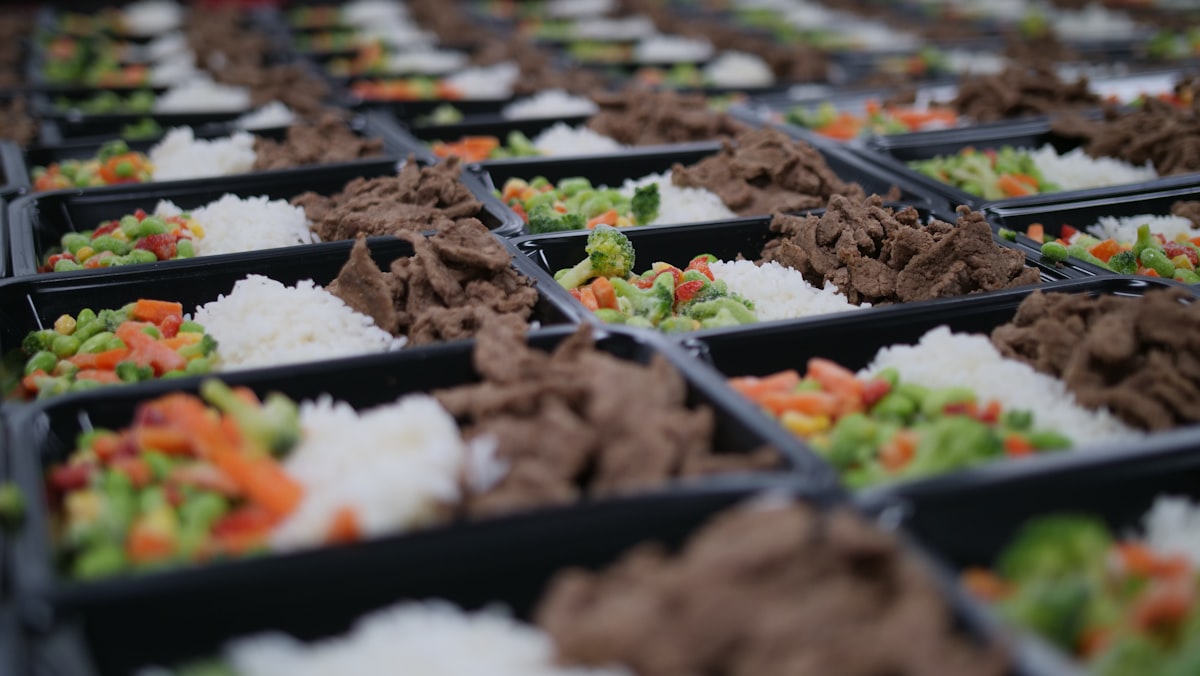
5-Step Meal Prep Framework
A structured approach to planning and preparing nutritious meals for the week ahead.
Plan & Decide
Review your schedule for the week, identify your nutritional needs, and choose meals that align with your energy requirements and food preferences. Consider variety to maintain interest and ensure balanced nutrition.
Shop Strategically
Create a detailed shopping list based on your meal plan, focusing on whole ingredients. Check current inventory to avoid duplication and plan purchases around seasonal availability for better quality and value.
Prepare Ingredients
Wash, chop, and pre-cook components like grains, vegetables, and proteins. This foundation preparation makes final meal assembly quick and easy throughout the week, reducing the barrier to consistent eating.
Assemble & Store
Combine prepared components into balanced meals using appropriate containers. Store at proper temperatures, label with dates, and organise in your refrigerator for easy visibility and access throughout the week.
Review & Adjust
Throughout the week, notice how prepared meals affect your energy, digestion, and wellness. Take notes on what worked well and what might need adjustment in next week's plan. This feedback loop creates continuous improvement in your nutrition approach.
Meal Prep vs. Daily Cooking
Understanding the practical advantages of structured meal preparation.
With Meal Preparation
- Meals ready in minutes, not 30-60 minutes of daily cooking
- Balanced nutrition planned in advance, not reactive decisions
- Reduced food waste through intentional planning
- Lower overall food costs through strategic shopping
- Consistent energy levels and improved focus all week
- Easy to track what you're eating for wellness monitoring
- Reduced stress and decision fatigue around meals
Without Meal Preparation
- Daily cooking takes significant time and energy
- Meals chosen based on convenience, not optimal nutrition
- Higher food waste from forgotten or spoiled items
- Impulse takeaway purchases and higher overall costs
- Energy fluctuations from irregular meal timing
- Difficult to track dietary patterns for wellness improvement
- Daily "what's for dinner?" stress and mental burden
Meal Prep Inspiration Gallery
Visual examples of balanced, prepared meals showcasing variety and nutritional balance.

Mediterranean Grain Bowl
Quinoa base with roasted vegetables, chickpeas, feta, and olive oil dressing. Provides complex carbohydrates, plant proteins, and heart-healthy fats.
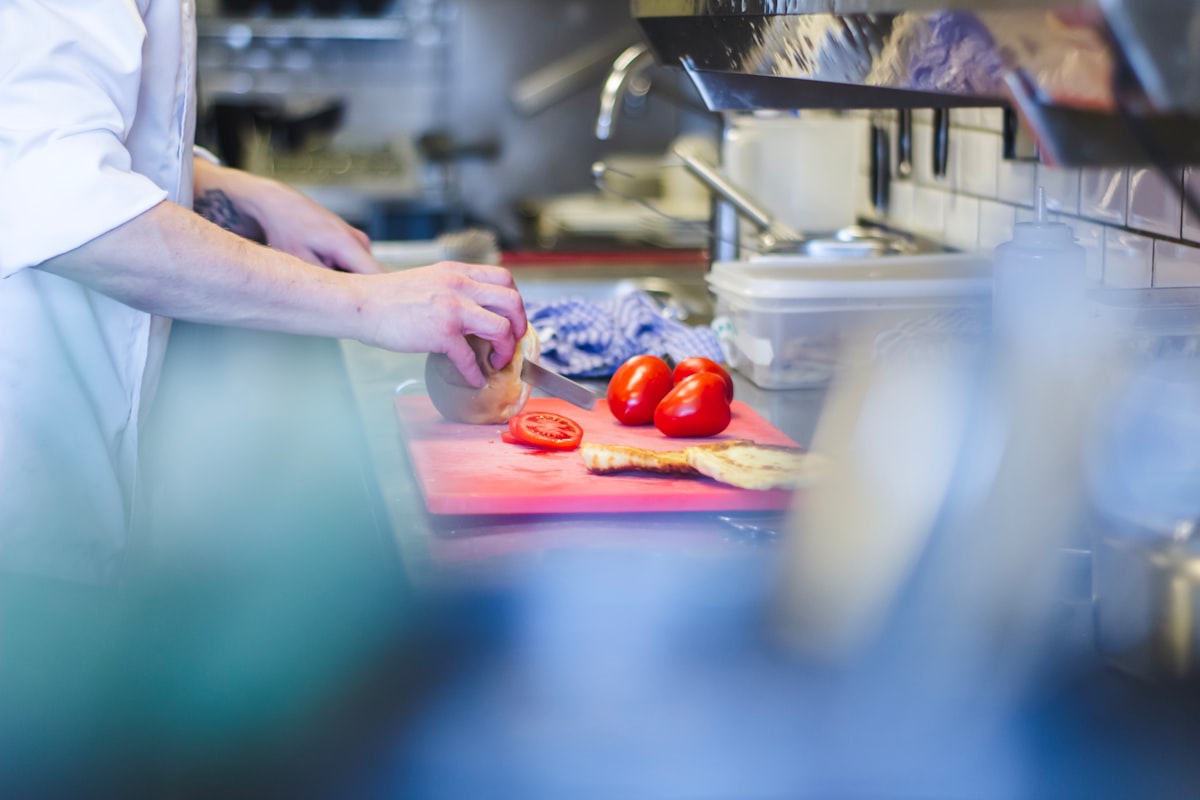
Lean Protein Plate
Grilled chicken breast, roasted sweet potato, and steamed broccoli. Balanced macro ratio supporting sustained energy and muscle maintenance.
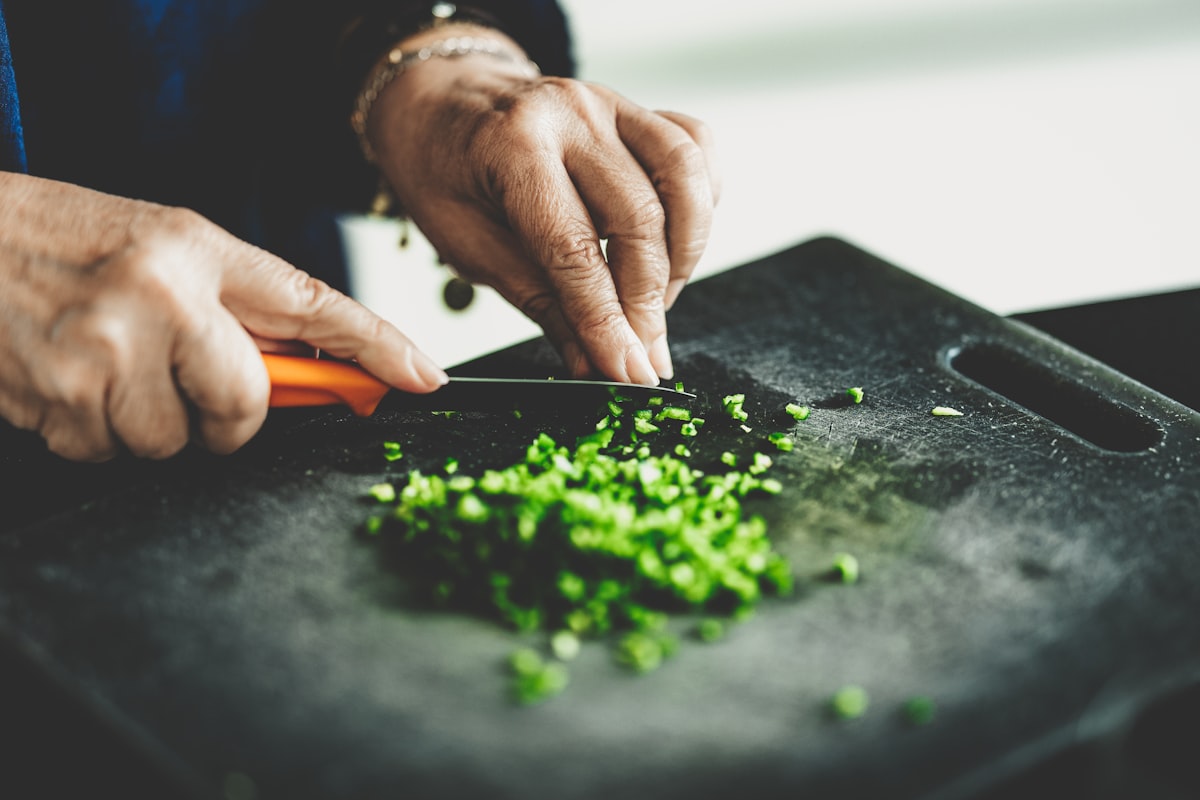
Plant-Based Buddha Bowl
Mixed greens, baked tofu, avocado, colourful vegetables, and tahini dressing. Complete amino acid profile with excellent nutrient density.
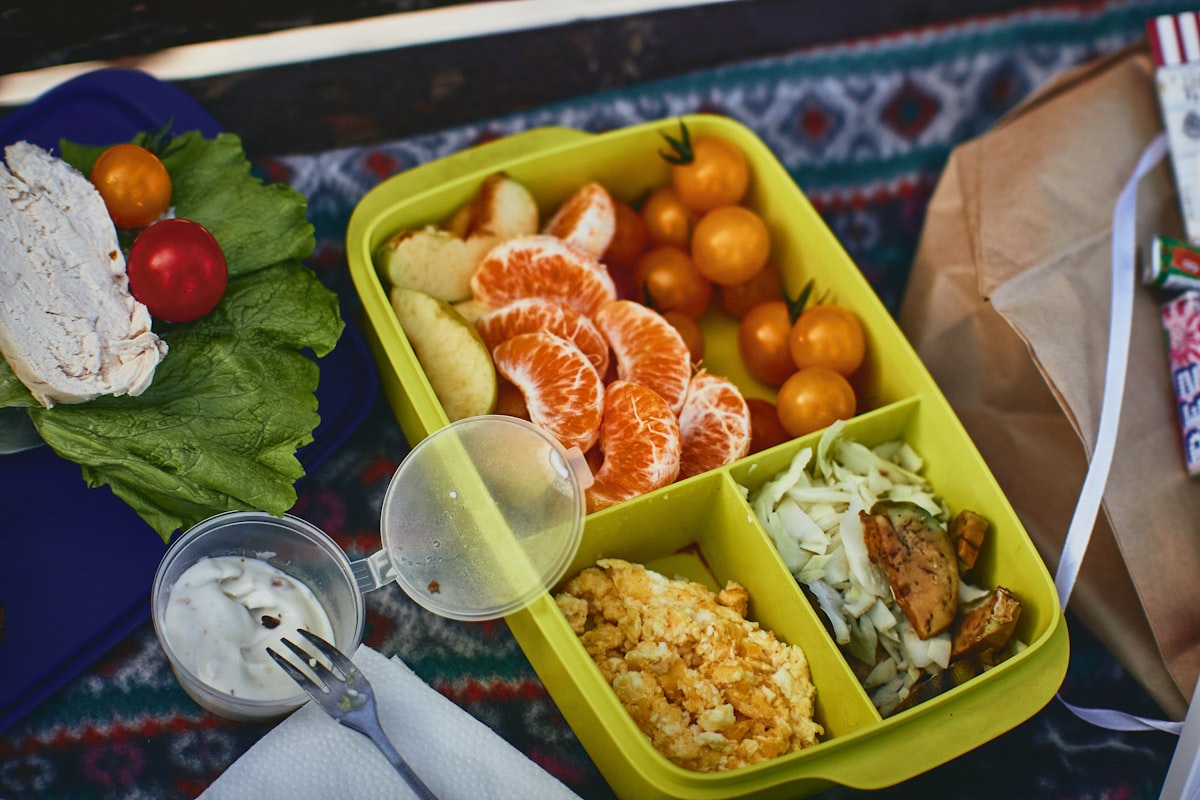
Omega-Rich Fish Meal
Baked salmon, brown rice, and roasted Brussels sprouts. Excellent source of omega-3 fatty acids supporting cognitive and cardiovascular health.
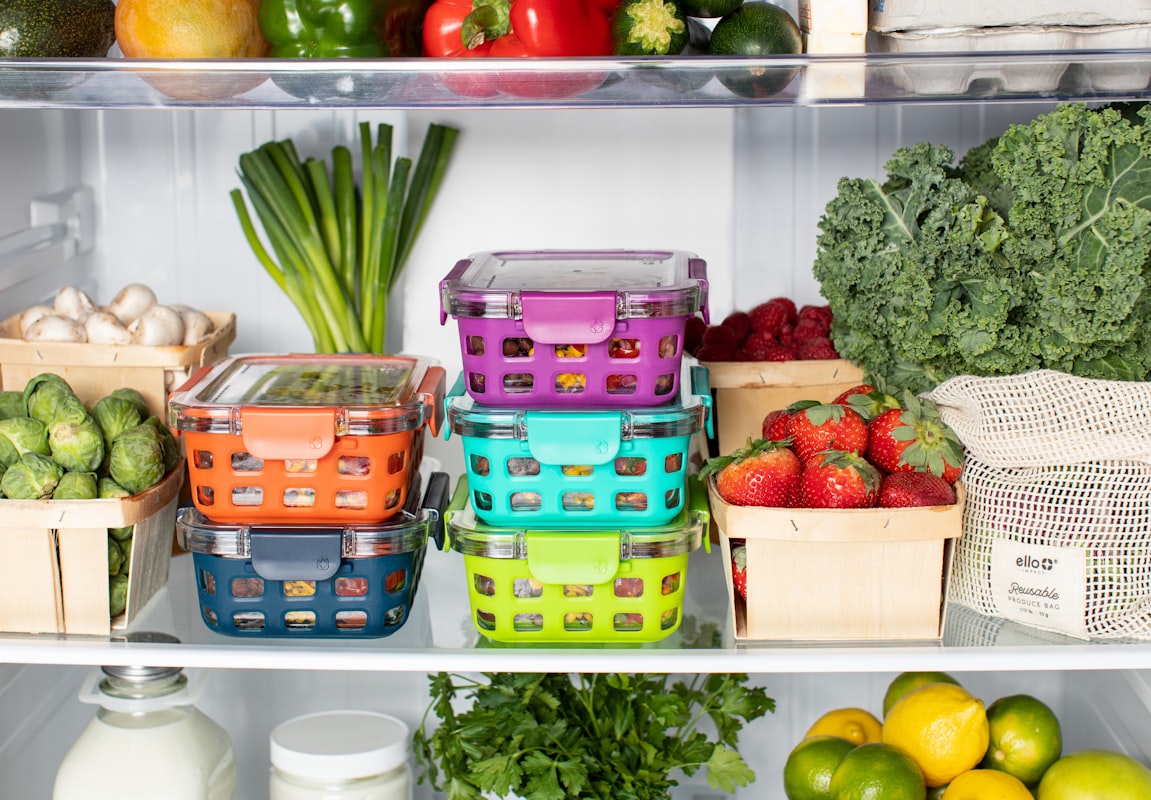
Protein-Packed Taco Bowl
Ground turkey, cilantro lime rice, black beans, corn, and salsa. High protein content with excellent fibre for sustained satiety.
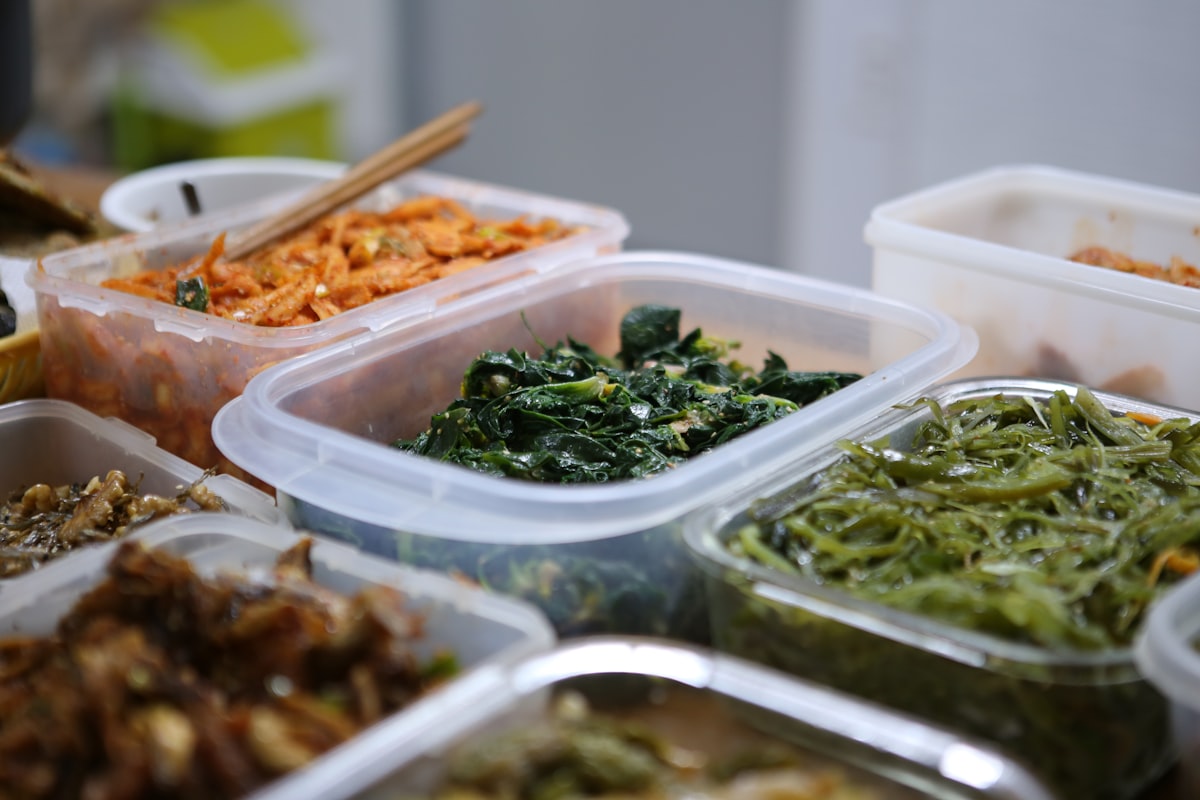
Vibrant Veggie Stir-Fry
Mixed vegetables, tofu, sesame seeds, and brown rice. Maximises micronutrient intake with diverse plant foods and plant-based protein.
Essential Meal Prep Techniques
Master these key cooking and preparation methods to build your meal prep foundation.
Batch Cooking Grains & Proteins
Cook large quantities of brown rice, quinoa, oats, or lentils in one session. Simultaneously bake or grill multiple protein portions like chicken breasts, tofu, or salmon. These components form the foundation for diverse meal combinations throughout the week, reducing repetitive cooking tasks.
Pro tip: Cook proteins in bulk and freeze portions separately for flexibility and longer storage options.
Strategic Vegetable Preparation
Wash, chop, and arrange vegetables by cooking method—some for roasting, others for steaming or raw consumption. Pre-cut vegetables in containers ready for quick assembly. This reduces decision-making during meal preparation and ensures consistent vegetable intake throughout your week.
Pro tip: Keep delicate vegetables like berries and leafy greens separate until just before eating to maintain freshness and texture.
Sauce & Dressing Preparation
Mix dressings, marinades, and sauces in advance to add flavour variety throughout the week. Store separately from prepared meals to maintain texture, especially for items like salads or grain bowls. This simple technique prevents meal monotony and maintains ingredient quality.
Pro tip: Keep oil-based dressings in separate containers to avoid sogginess; pour over meals fresh at serving time.
Proper Storage & Labelling
Use glass containers (better than plastic for repeated use), store at appropriate temperatures, and label everything with preparation date and contents. This system prevents food waste, ensures food safety, and makes it easy to grab meals during busy days without confusion or waste.
Pro tip: Most prepared meals keep well for 3-4 days in the refrigerator; consider freezing portions for longer shelf life.
Flavour Variation Strategies
Prepare base ingredients neutrally, then create different meals using varied seasonings, sauces, and side vegetables. This approach prevents meal fatigue while maintaining efficiency. One batch of cooked chicken becomes Mediterranean, Asian, or Mexican style by changing accompaniments and condiments.
Pro tip: Keep a selection of herbs, spices, and condiments ready to transform simple ingredients into exciting meals.
Seasonal Ingredient Selection
Build meal prep around what's fresh and affordable each season. Seasonal produce offers peak nutrition, better flavour, and lower cost. This naturally creates variation in your diet throughout the year while supporting local food systems and maximising nutritional diversity.
Pro tip ": Plan your meals around a seasonal produce guide for your region. Check farmers' markets weekly to discover what's in season and build flexibility into your meal prep routine.
What Our Community Says
Real results from real people transforming their nutrition and lifestyle.
"Foodenergybalance helped me understand that meal prep doesn't have to be complicated. I've saved time during the week and actually enjoy my meals now. My energy levels are so much more stable."
Sarah M.
Marketing Professional
"The balanced nutrition approach is game-changing. I'm not just eating to eat anymore—I'm fueling my body with purpose. The meal prep templates save me hours every week."
James T.
Software Developer
"As a busy mum, I needed something practical. The seasonal ingredient approach means I'm shopping smarter and cooking things my whole family actually wants to eat."
Emma L.
Parent & Educator
Ready to Transform Your Nutrition?
Start your journey toward balanced energy, better meals, and sustainable habits today. Join thousands who've discovered the power of intentional nutrition.
No credit card required. Access free resources and guides instantly.